Bunny Candy: A Script Handwritten Font for Editorial Design
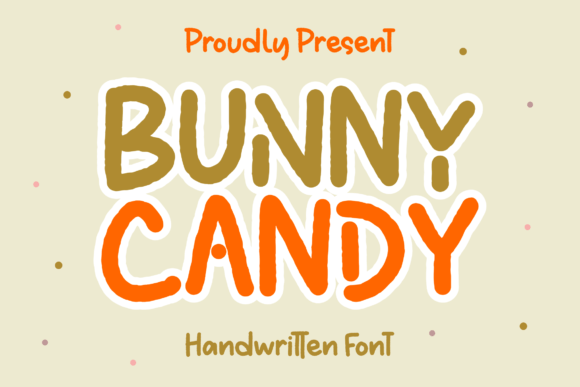
I was deep in the layout phase of a new lifestyle blog redesign last Tuesday, staring at a header that felt technically correct but emotionally flat. The sans serif I had chosen was clean, yes, but it lacked the warmth required for a publication focused on slow living and home aesthetics. That is when I opened my font library and tested Bunny Candy, a beautiful handwritten font perfect for any project you have in mind. As a Script Handwritten typeface, it immediately shifted the mood of the page from sterile to inviting. For publishers and content creators, finding Fonts that balance personality with legibility is often the hardest part of building a brand identity, yet this typeface manages to feel both playful and professional.
Using Bunny Candy for Blog Headers and Newsletter Graphics
When integrating Bunny Candy into digital publications, the first thing you notice is its rhythm. Unlike many Script Handwritten options that can feel erratic or difficult to parse on small screens, these Fonts maintain a consistent baseline that supports readability. I recently used this typeface for a weekly newsletter header, and the open counters and fluid strokes ensured that the subject line popped in crowded inboxes without sacrificing clarity. For bloggers and independent writers, Bunny Candy serves as an excellent tool for establishing a recognizable visual voice. It works particularly well for section breaks, pull quotes, and introductory graphics where you want to pause the reader's scroll and invite them into a more personal narrative. Because it is described as perfect for any project you have in mind, it adapts easily to both light-mode and dark-mode interfaces, maintaining its charm across different devices.
Creating Cohesive Branding for Logos and Product Packaging
Beyond the screen, Bunny Candy shines in physical applications where tactile appeal matters. The description notes that you can use it on logos, branding projects, and product packaging, which speaks to its versatility as a display font. I tested this by mocking up a label for a small-batch honey jar, and the handwritten quality of the Script Handwritten style added an artisanal touch that a standard serif could not achieve. For entrepreneurs selling homeware designs or crafting mugs, these Fonts provide the human element that customers often associate with quality and care. When designing a logo, the slight variations in stroke weight give the impression of being penned by hand, which fosters trust and approachability. Whether you are creating shopping bags for a boutique or stickers for a planner brand, the font's ability to remain legible at various sizes makes it a reliable choice for comprehensive branding systems.
Designing Recipe Ebooks and Printable Planners with Bunny Candy
In the world of digital products, such as recipe ebooks or coaching workbooks, typography dictates how much information a user can absorb before feeling overwhelmed. Bunny Candy is ideal for chapter titles, cover text, and decorative accents within these documents. While it is a Script Handwritten font, it is best utilized for headlines rather than dense body copy. In a recent printable planner layout, I paired these Fonts with a clean, geometric sans serif for the instructional text. This contrast created a clear visual hierarchy: the playful script drew the eye to the task at hand, while the neutral body font ensured long-term readability. For course creators and authors, using Bunny Candy for worksheet headers or motivational quotes can break up the monotony of text-heavy PDFs. It transforms a standard document into an engaging experience, encouraging the user to interact with the content rather than just skim it.
Selecting Font Pairings for Editorial Layouts and Posters
The success of any editorial design often hinges on how well the primary typeface interacts with supporting elements. Bunny Candy pairs beautifully with modern typography, specifically crisp sans serifs or traditional serifs that offer structure. When designing posters or social media graphics, I found that keeping the surrounding elements minimal allows the character of this Script Handwritten font to take center stage. If you are working on a wedding guide or a magazine feature page, consider using these Fonts for the main title while relying on a highly readable serif for the article body. This combination respects the reader's need for comfort while delivering the aesthetic punch of a creative font. It is important to remember that while Bunny Candy is perfect for quotes and short phrases, it should not be forced into long paragraphs where its expressive nature might hinder comprehension. Strategic placement ensures the font enhances the content structure rather than competing with it.
Evaluating Readability for Mobile Layouts and Web Design
As we shift more of our reading habits to mobile devices, the performance of Bunny Candy on smaller viewports becomes a critical consideration. In my testing, the Script Handwritten glyphs held up surprisingly well on smartphone screens, provided the font size was adjusted appropriately. For web design and responsive layouts, these Fonts work best when used sparingly as accent elements rather than navigation labels. The fluid connections between letters can sometimes blur at very small resolutions, so it is wise to test your specific implementation across multiple devices before finalizing a launch. However, for hero sections, banner images, and call-to-action buttons, the font delivers a friendly and accessible tone that encourages clicks. By understanding where Bunny Candy excels—such as in headers and short captions—you can build a digital presence that feels both polished and personable.
Licensing Considerations for Commercial Font Usage
Before deploying Bunny Candy in client projects or commercial products, it is essential to review the licensing terms associated with these Fonts. Since the typeface is marketed for use in logos, product packaging, and homeware designs, it likely carries a commercial license that supports small business needs. However, every publisher and designer must verify the specific permissions regarding web embedding, app integration, and print run limits. When building a brand identity or creating templates for sale, ensuring you have the correct rights for a Script Handwritten asset protects your business from future legal complications. Always check for included styles, alternates, and multilingual support to ensure the font meets the diverse needs of your audience. With the right preparation, Bunny Candy can become a cornerstone of your design toolkit, offering endless possibilities for creative expression.